
Corneal Services & Sight-Restoring Transplants
The cornea is the eye's protective outer window. We provide advanced medical therapies for corneal diseases and full corneal transplant surgeries.
Cornea Overview
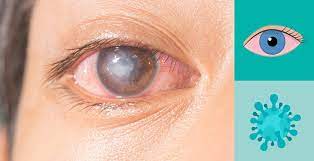
The cornea is the clear, dome-shaped outer layer covering the front of the eye. It plays a critical role in focusing light as it enters the eye. A number of conditions, injuries, or degenerative diseases can affect the cornea, leading to corneal scarring or clouding, known as **corneal disease**. While the cornea has a remarkable ability to repair itself after minor scratches, deeper infections or structural issues require specialist clinical intervention.
Importantly, individuals suffering from corneal blindness are usually in a much younger age group compared to those suffering from cataracts. Consequently, in terms of total blind years, the impact of corneal blindness on families and the economy is far greater. Ocular trauma, infectious keratitis, and corneal ulceration are leading causes of corneal morbidity.
Common Causes of Corneal Disease
- Infections: Bacterial, viral, or fungal keratitis (often related to contaminated contact lens wear or agricultural injury).
- Corneal Ulcers: Open sores on the outer layer of the cornea that require urgent treatment to prevent deep scarring or perforation.
- Trauma & Scars: Chemical burns, cuts, or foreign bodies (dust, metal shards) causing severe opacity.
Corneal Transplant (Keratoplasty)
When corneal damage becomes too severe and light can no longer pass through cleanly, a corneal transplant is required. This surgical procedure replaces the damaged, opaque corneal tissue with healthy donor corneal tissue obtained from our eye bank partners. Sankar Foundation's senior team, including **Dr. Nasrin** (Director - Medical Administration), performs complex keratoplasties with high graft survival rates.
Optical Keratoplasty
Performed to restore vision by replacing a scarred or cloudy cornea with a clear donor graft, restoring the eye's natural focus.
Therapeutic Keratoplasty
Performed as an emergency procedure to treat severe, non-responsive corneal ulcers or perforation, eliminating active infection and preserving the eyeball.
Keratoconus & Advanced Diagnostics
Keratoconus is a progressive condition where the cornea thins and gradually bulges outward into a cone shape, causing severe distortion. We utilize state-of-the-art corneal topography scans to map the shape and thickness of the cornea. For treatment, we offer:
Topography & Mapping
Advanced Oculus Pentacam scan to measure corneal thickness, curvature, and detect early ectasia.
C3R Laser Therapy
Corneal Collagen Cross-linking with Riboflavin (C3R) to strengthen corneal fibers and stop progressive keratoconus.
Specialty Contact Lenses
Fitting of Rigid Gas Permeable (RGP) and Scleral contact lenses to provide sharp vision for irregular corneas.
Frequently Asked Questions
What are the signs of a corneal ulcer?+
A corneal ulcer is a medical emergency. Symptoms include severe eye pain, foreign body sensation, redness, constant watering, discharge (pus), sensitivity to light, and a visible white spot on the cornea. Immediate medical care is needed to prevent scarring.
What is Corneal Cross-linking (C3R)?+
C3R is a minimally invasive in-office laser treatment for keratoconus. It involves applying Riboflavin (Vitamin B2) drops to the cornea, followed by brief exposure to ultraviolet (UVA) light. This strengthens the chemical bonds inside the cornea, halting progressive thinning and cone bulging.
How long does a corneal transplant surgery take?+
The surgery typically takes about 1 to 1.5 hours under local or general anesthesia. It involves removing the central diseased portion of the cornea and suturing the donor tissue in place using extremely fine, microscopic stitches.
What is the recovery timeline after a corneal transplant?+
Because the cornea does not have its own blood supply, healing is a gradual process. Vision improves slowly over several months. Microscopic sutures are typically left in place for 6 to 12 months, and patients use protective eye drops long-term to prevent graft rejection.