

Reconstructive & Oculoplastic Surgery: Restoring Form & Function
Ophthalmic plastic surgery improves eye function and fixes medical conditions affecting the eyelids, tear ducts, and orbits, while enhancing facial appearance.
What is Oculoplasty?
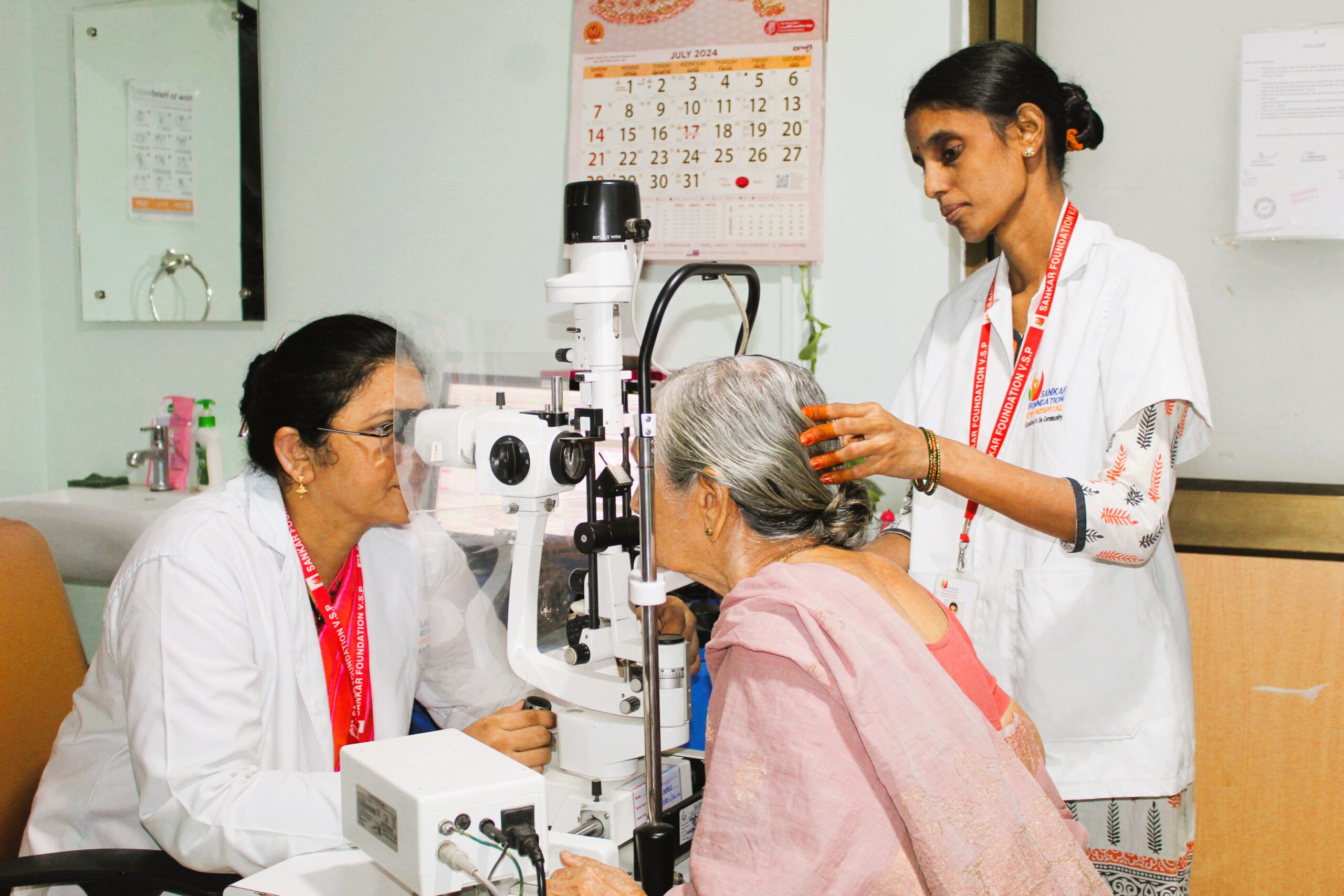
Orbit and Oculoplasty deals with plastic and reconstructive surgery in and around the eyeball. Oculoplastic surgery includes a wide variety of surgical procedures that deal with the orbit (eye socket), eyelids, tear ducts, and the surrounding facial structures.
These specialized procedures are performed by oculoplastic surgeons to treat conditions that affect vision, comfort, and ocular health. An added advantage of these treatments is that they significantly restore or improve the patient's natural facial appearance, helping them regain self-confidence.
Indications for Oculoplastic Care
- Drooping of the upper eyelids (Ptosis) that blocks your upper vision.
- Eyelids turning inward (Entropion) or turning outward (Ectropion).
- Constant, unexplained watering or tearing of the eyes (Epiphora).
- Eyelid injuries, facial spasms, tear duct blockages, or tumors.
Common Oculoplastic Conditions We Treat
Droopy Eyelid (Ptosis)
A condition where the border of the upper eyelid falls lower than normal. Ptosis can cover the pupil, reduce the visual field, and cause head-tilting or brow strain. It is corrected by tightening the eyelid muscles.
Eyelid Malpositions
Entropion causes eyelashes to rub painfully against the cornea, leading to corneal ulcers. Ectropion exposes the inner eye, causing severe dryness. Both are surgically corrected to restore natural alignment.
Watering Eyes (Epiphora)
Caused by an overproduction of tears or a blockage in the nasolacrimal drainage system. Common in infants and elderly adults, tear duct surgeries (like DCR) restore proper tear flow.
Eyelid Tumors & Traumas
Benign or malignant growths around the eye require precise tumor excision and cosmetic eyelid reconstruction. Eyelid or tear duct injuries from accidents are treated to protect corneal health.
Custom Ocular Prosthesis (Artificial Eyes)
An ocular prosthesis (artificial eye or glass eye) is a Craniofacial prosthesis that replaces a missing natural eye after surgical removal due to severe disease or trauma. Custom acrylic prostheses fit comfortably over orbital implants and under the eyelids, matching the shape, color, and size of the fellow eye to restore facial appearance.
Stories of Change
“I came to Sankar Foundation expecting a negative answer for my problem as I had received from other hospitals. To my surprise, I was assured that my misaligned, blind left eye from birth could be cosmetically corrected. Finally, the surgery day came—I was worried about the pain, but there was no pain at all.”
— Sunita, Oculoplasty Patient
Frequently Asked Questions
Is Ptosis surgery done for cosmetic or medical reasons?+
It can be both. Mild ptosis is often treated for cosmetic improvement. Severe ptosis, where the eyelid hangs low and covers the pupil, is a medical necessity to clear visual blockages and prevent chronic brow strain or headaches.
What causes chronic watering eyes (epiphora) and how is it treated?+
Epiphora is usually caused by either excess tear production or, more commonly, a blockage in the nasolacrimal drainage system. Treatment ranges from antibiotic drops and tear duct probing (in infants) to a surgical procedure called Dacryocystorhinostomy (DCR) to create a new tear drainage pathway.
How does a custom prosthetic eye match my normal eye?+
Custom prosthetic eyes are hand-painted by specialized ocularists using medical-grade acrylic. They are matched meticulously to your other eye's iris color, sclera shade, and blood vessel pattern. They are shaped to fit your eye socket comfortably and move naturally with surrounding muscle contractions.
How long is the recovery period after eyelid reconstruction?+
Most patients experience swelling, bruising, and minor discomfort for about 1 to 2 weeks post-surgery. Stitches are typically removed after 5 to 7 days, and full healing takes about 4 to 6 weeks. High-impact sports or rubbing the eye should be avoided during recovery.